Dreaming about a beach home where the skyline stays low, the pace feels calmer, and nature still sets the tone? If you are considering St. George Island, you are likely looking for more than a house near the water. You want to know what ownership actually feels like, what to expect from the homes, and what practical details matter before you buy. This guide will walk you through the character, housing, and ownership realities of St. George Island so you can decide if it fits your goals. Let’s dive in.
Why St. George Island Feels Different
St. George Island offers a coastal setting that stands apart from many busier beach markets in Florida. The island fronts Apalachicola Bay, and the east end is preserved as Dr. Julian G. Bruce St. George Island State Park, which includes 9 miles of beaches and space for birding, fishing, kayaking, hiking, camping, shelling, and stargazing.
That setting shapes the overall experience of ownership. Visit Florida notes there are no high-rises in sight, and that absence matters. Instead of a resort-strip feel, you will find a lower-rise, more nature-forward environment with beach, parkland, and a modest collection of local conveniences.
For many second-home buyers, that is the appeal. If you want a quieter beach community with room to breathe, St. George Island may feel like a strong fit. If you are looking for dense retail, nightlife, or a more resort-driven atmosphere, it may feel intentionally understated.
What Types of Homes You Will Find
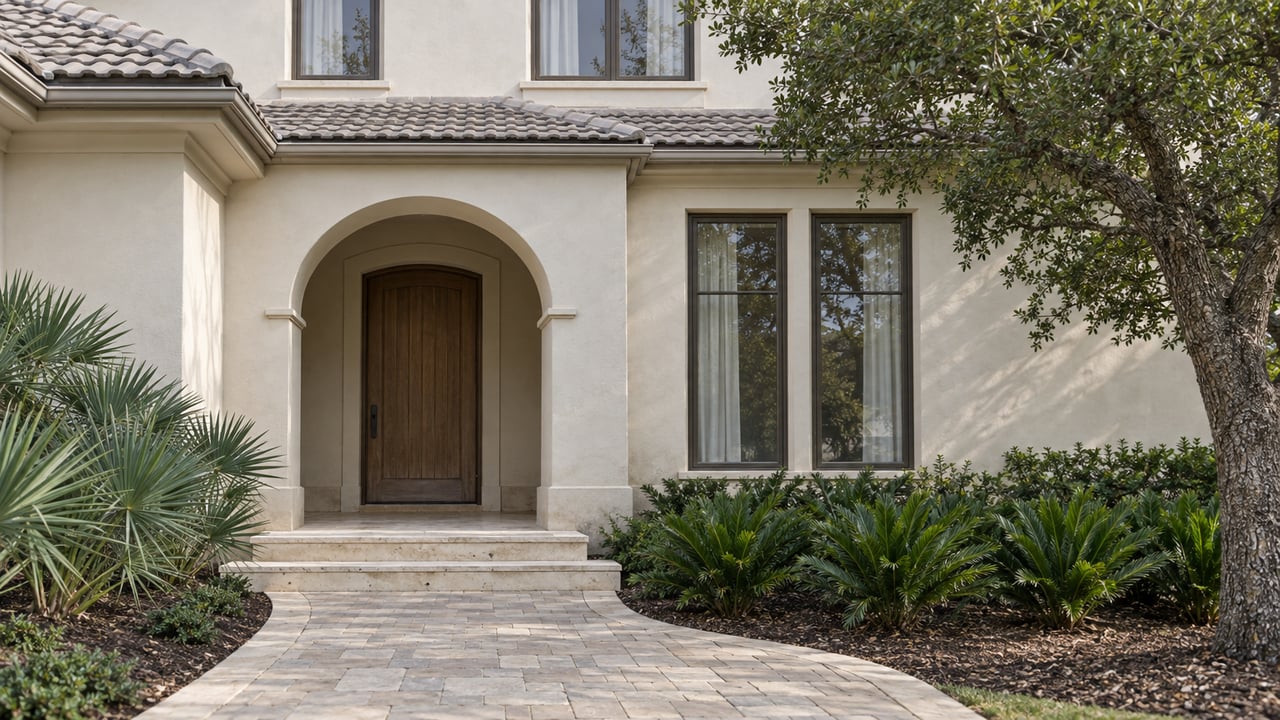
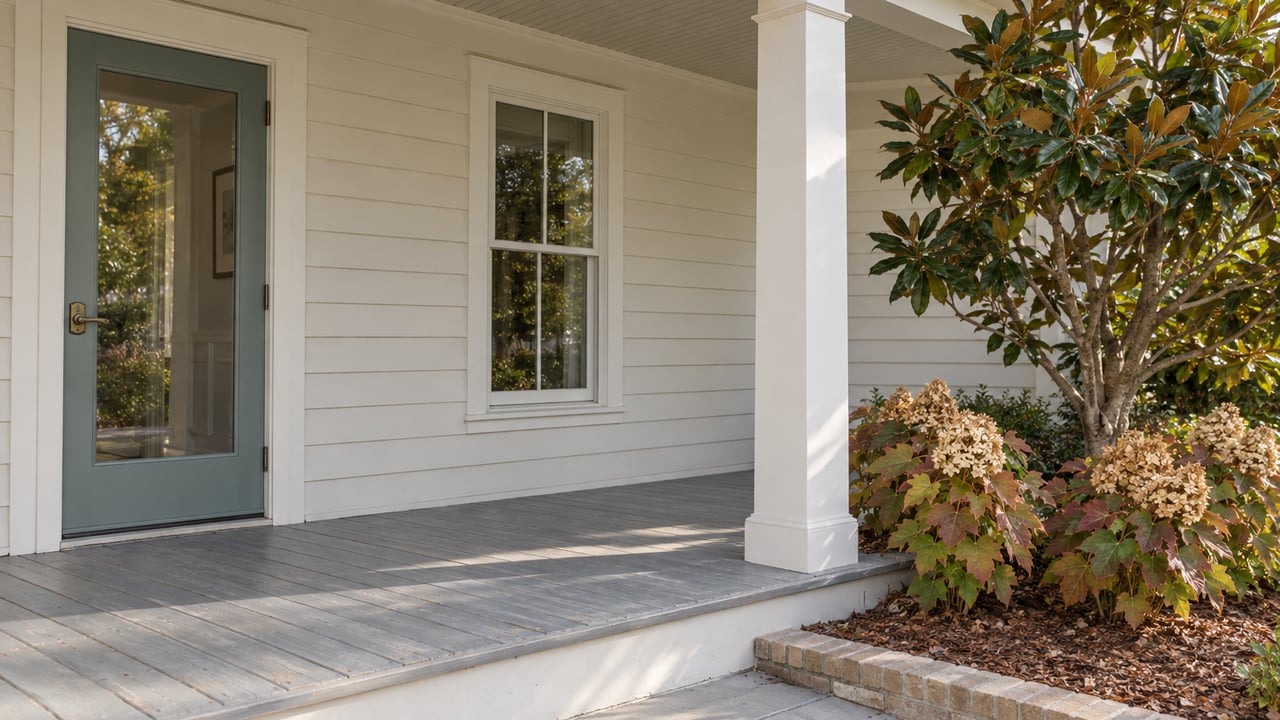
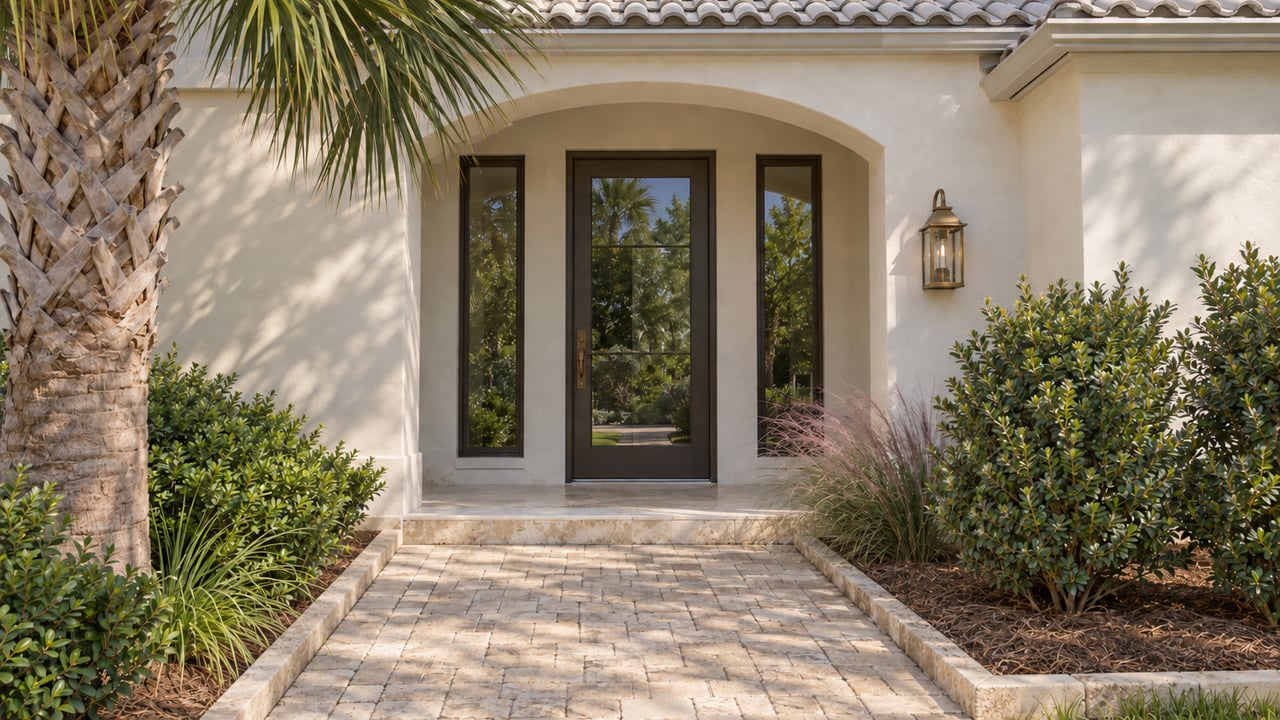
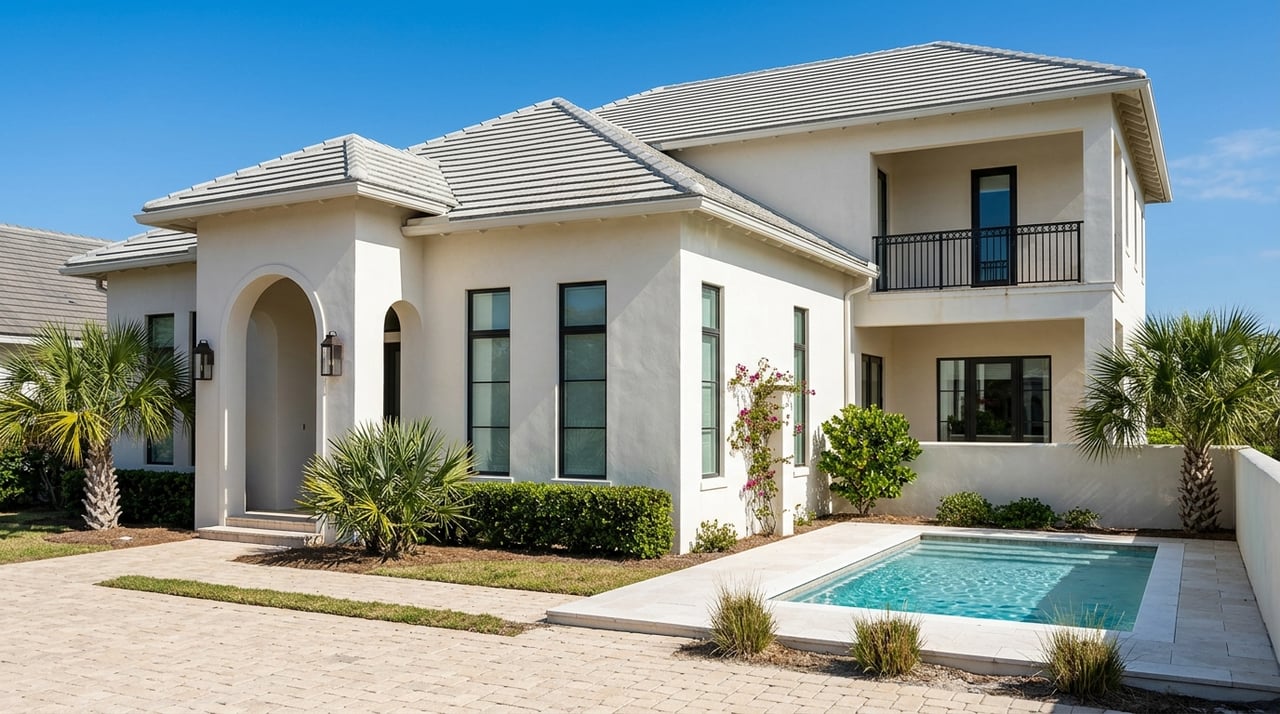
The housing mix on St. George Island leans toward detached coastal homes rather than large condo towers. Public lodging directories describe old Florida-style cottages, beach bungalows, low-rise condos, townhomes, and larger beach homes, with some properties offering features like pools, hot tubs, elevators, and private docks.
That gives buyers a fairly wide range of choices within a low-rise setting. You may find a smaller cottage for a simpler beach retreat, a townhome or condo for lower-maintenance ownership, or a larger home designed for multigenerational use or vacation stays.
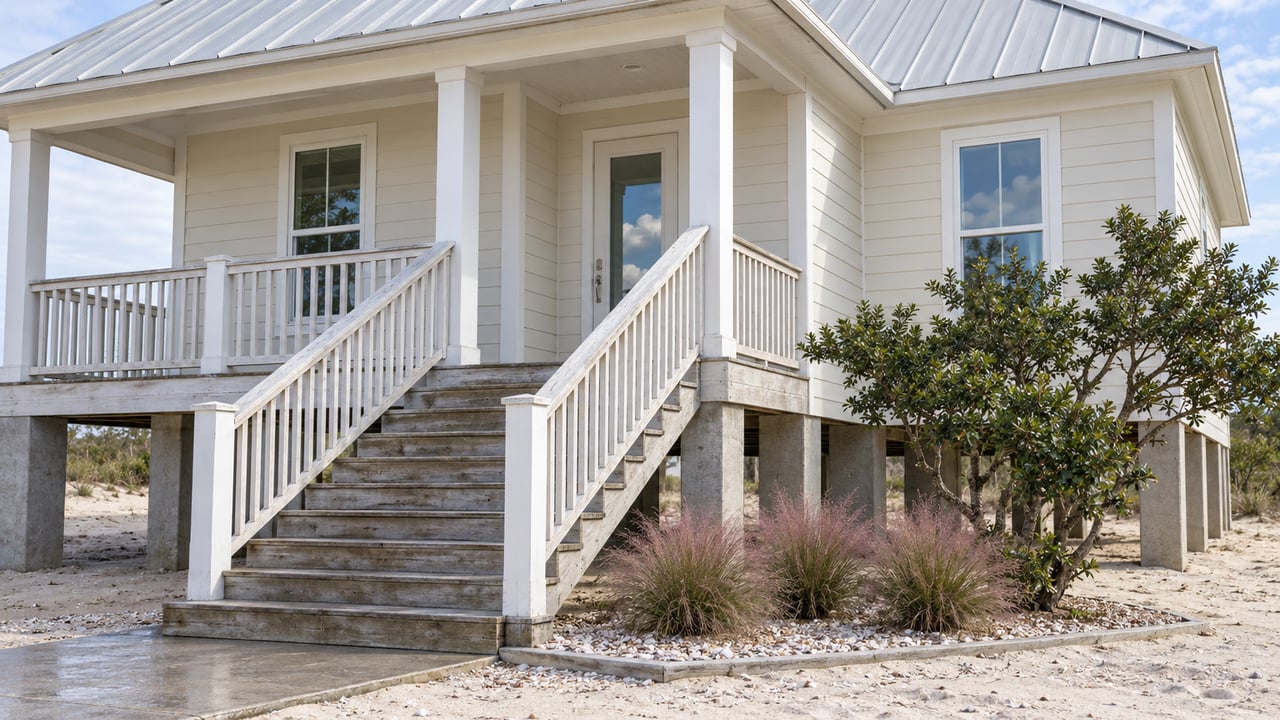
The island’s architecture also reflects its coastal conditions. Because this is a flood-prone area, elevation is not just a design detail. It is a practical part of how many homes are built and maintained.
Why Elevation Matters
On St. George Island, flood awareness should be part of your buying process from the start. FEMA guidance explains that in V zones, new residential buildings must be elevated on open foundations such as pilings, posts, or piers. Franklin County also emphasizes the area’s exposure to storm surge and prolonged heavy rain.
In real terms, that means you should not expect every beach home to sit at grade. Elevated living spaces, open foundations, and design choices that respond to flood conditions are part of the local housing landscape.
When you tour homes, it helps to look beyond finishes and views. Pay attention to how the home sits on the lot, how access works, and whether the design appears aligned with coastal flood realities. Those details can affect both usability and long-term ownership planning.
How Zoning Shapes the Island
One reason St. George Island retains its low-density feel is Franklin County’s land-use framework. The county’s comprehensive plan generally limits new residential development to one unit per acre, with exceptions for certain older lots and specific lots tied to the 1982 St. George Island Development Order.
The same plan caps multifamily density at 10 units per acre and limits commercial floor-area ratio on St. George Island to 1.0. It also notes that lots under one acre are generally restricted from onsite sewage disposal except in limited cases.
Those rules matter because they help explain the island’s physical character. Growth is limited in intensity, the commercial footprint remains relatively concentrated, and the built environment stays more low-rise than many other beach communities.
What Building Rules Mean for Buyers
Franklin County zoning classifications reinforce the island’s development pattern. Standard residential districts use a 47-foot maximum building height, and the R-1 district allows one single-family detached dwelling per lot.
The county also requires a development permit when new work changes lot coverage. That review includes setbacks, floodplains, zoning compliance, environmental considerations, and concurrency.
If you are buying with plans to renovate, expand, or rebuild in the future, these details are especially important. It is wise to understand the property’s zoning context, any parcel-specific limitations, and how county review may shape what you can do over time.
What Daily Life Looks Like
The rhythm of St. George Island is shaped more by outdoor movement than by traffic or large commercial zones. Franklin County’s ADA transition plan documents a 6.95-mile asphalt multi-use path that runs along Gulf Beach Drive from Twelfth Street West to Dr. Julian G. Bruce St. George Island State Park.
That path adds a practical layer to everyday life. Depending on where you own, getting around by bike or on foot may be part of the appeal, especially for trips tied to the beach, casual outings, or time outdoors.
Tourism materials also point to a small but useful amenity base. On the island, you will find seafood restaurants, boutiques, a lighthouse museum and gift shop, bike rentals, and two grocery stores.
This is an important expectation-setting point for buyers. St. George Island offers convenience, but in a more limited and local way. The lifestyle is less about endless options and more about a manageable, low-key routine centered on the water and the outdoors.
Who St. George Island Fits Best
Not every beach market serves the same kind of buyer, and that is especially true here. Based on the island’s park setting, low-density rules, small commercial base, and bikeable layout, St. George Island tends to fit buyers who value quiet, beach access, and a nature-centered pace.
You may be a strong fit if you want:
- A second home with a calmer, less vertical setting
- A detached beach house or low-rise property type
- Easy access to beaches, biking, fishing, kayaking, or shelling
- A market shaped by land-use controls rather than large-scale resort growth
- A coastal home that feels more retreat-like than entertainment-driven
You may need to think more carefully if your priority is a high-energy resort environment, large retail clusters, or a wide range of built-in amenities. The island’s charm is tied to restraint, and that is not the right match for every buyer.
Storm Readiness Is Part of Ownership
Owning on a barrier island comes with a practical side, and storm planning is part of it. Franklin County’s flood information highlights local risk from storm surge and heavy rain, and on September 24, 2024, Franklin County Emergency Management announced a mandatory evacuation for all barrier islands, including St. George Island.
That does not mean ownership is complicated every day. It does mean you should go in with the right mindset. A calm setting and natural beauty are major parts of the appeal, but preparation matters when weather changes.
Before you buy, it is smart to think through the basics:
- The property’s flood zone and elevation profile
- Parcel-specific flood requirements
- Utility and septic limitations
- Your evacuation plan during mandatory orders
- How a second home would be monitored and managed during storm season
These are not minor details. On a barrier island, they are part of responsible ownership.
What To Consider Before You Buy
If St. George Island is on your shortlist, a focused evaluation can help you buy with more confidence. The right home is not only about view or bedroom count. It is also about how the property lines up with the island’s conditions and your intended use.
As you narrow your options, consider:
- Whether you prefer a cottage, larger detached home, condo, or townhome
- How important elevation and access are for your comfort and long-term plans
- Whether the home’s location supports the daily rhythm you want
- How much convenience you expect from nearby shops and services
- Whether the island’s lower-density character matches your lifestyle goals
- What future improvements, if any, you may want to make to the property
For many buyers, clarity comes from matching the home to the ownership experience, not just the listing photos. On St. George Island, that bigger-picture view matters.
If you are considering a beach home on St. George Island and want a thoughtful, high-touch perspective on coastal ownership, 850 Properties can help you evaluate the market, compare property types, and navigate your next move with confidence.
FAQs
What is St. George Island like for beach home owners?
- St. George Island offers a low-rise, nature-forward beach setting with parkland, beaches, a multi-use path, and a modest collection of local amenities rather than a dense resort strip.
What types of homes are common on St. George Island?
- Buyers can expect detached beach homes, cottages, beach bungalows, some townhomes, and low-rise condos instead of high-rise tower inventory.
What should buyers know about flood risk on St. George Island?
- Buyers should plan for flood-zone and elevation considerations, especially because the area is exposed to storm surge and heavy rain and some new residential buildings in V zones must be elevated on open foundations.
What zoning rules affect St. George Island homes?
- Franklin County land-use and zoning rules support lower-density growth, including limits on residential density, multifamily density, commercial intensity, building height, and certain lot and sewage conditions.
What amenities are available on St. George Island?
- The island includes seafood restaurants, boutiques, a lighthouse museum and gift shop, bike rentals, two grocery stores, and a 6.95-mile multi-use path along Gulf Beach Drive.
Is St. George Island a good fit for buyers seeking a resort lifestyle?
- St. George Island is generally a better fit for buyers who want quiet, beach access, bikeability, and a nature-centered pace than for buyers seeking nightlife, dense retail, or a resort-scale atmosphere.