Craving a beach home where mornings are quiet, the dunes stretch for miles, and luxury feels effortless instead of flashy? On St. George Island, you get exactly that. This is a place where protected shoreline, low density, and thoughtful homes create a calm, high-end lifestyle. In this guide, you’ll learn how the island lives day to day, where premium properties cluster, how the market is priced, and what to check before you buy. Let’s dive in.
Why St. George Island feels different
St. George Island is a slender Gulf barrier island linked to the mainland by the Bryant Patton Memorial Bridge, also known as State Road 300. Its shape and access help set a relaxed tone, with one primary approach and a long ribbon of beach that rewards slow days and sunset walks. You can read more about the island’s geography and bridge access in this concise overview of St. George Island’s setting and connections.
The resident base is small. The 2020 census counted 990 residents, which supports a low-density, “Old Florida” atmosphere that buyers often seek. See the population reference on Wikidata’s St. George Island entry.
A major share of the island is protected public land. On the east end, Dr. Julian G. Bruce St. George Island State Park offers protected dunes and miles of beach. That parkland presence is a key reason you will not find high-rise towers here. The result is long view corridors, dark night skies, and a quieter coastal rhythm.
Regionally, the island is part of Florida’s marketed “Forgotten Coast,” a label that signals an unhurried shoreline with fewer commercial districts. Learn more about the Forgotten Coast identity, and see a lifestyle snapshot in Southern Living’s look at Florida’s quieter Gulf coastline.
What luxury looks like here
Architecture and features
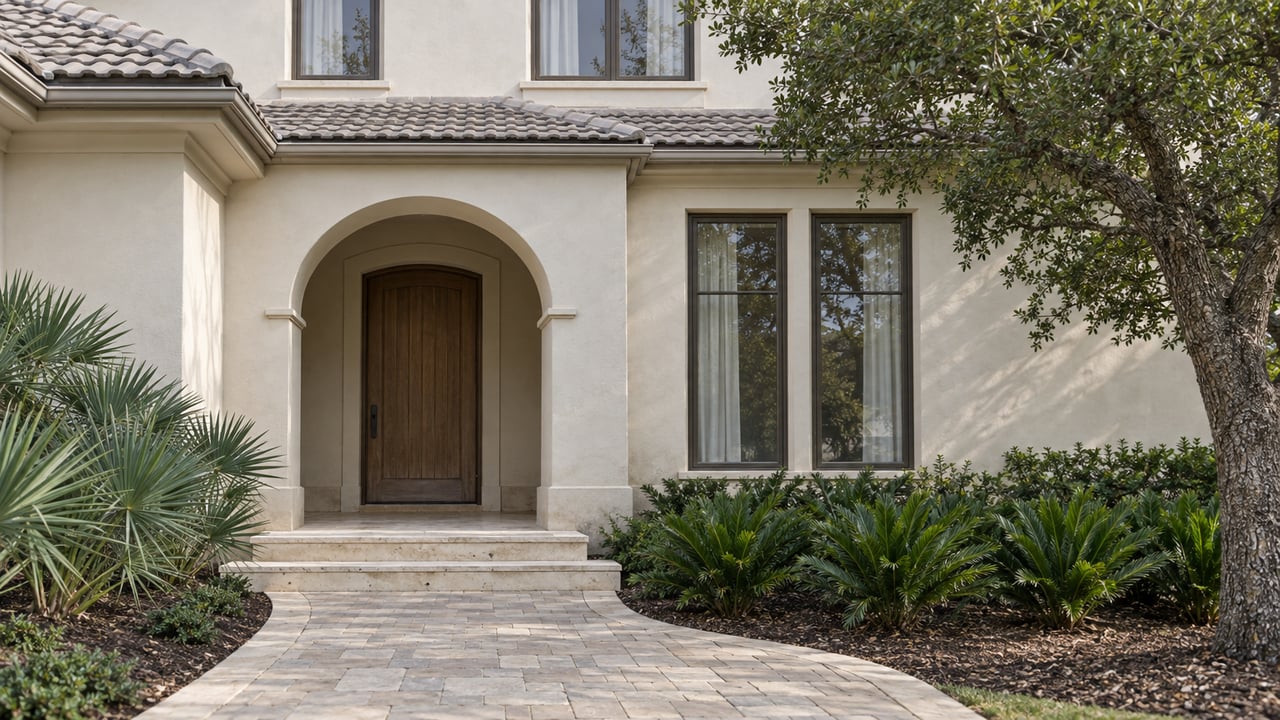
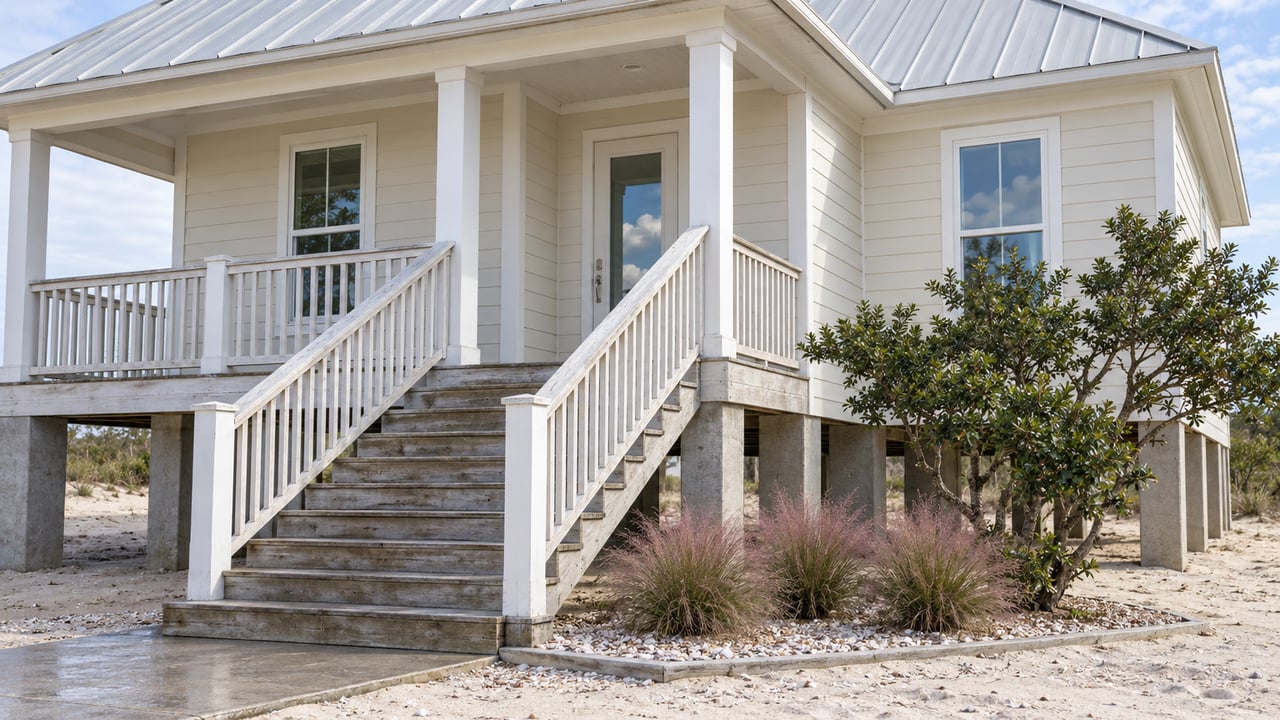
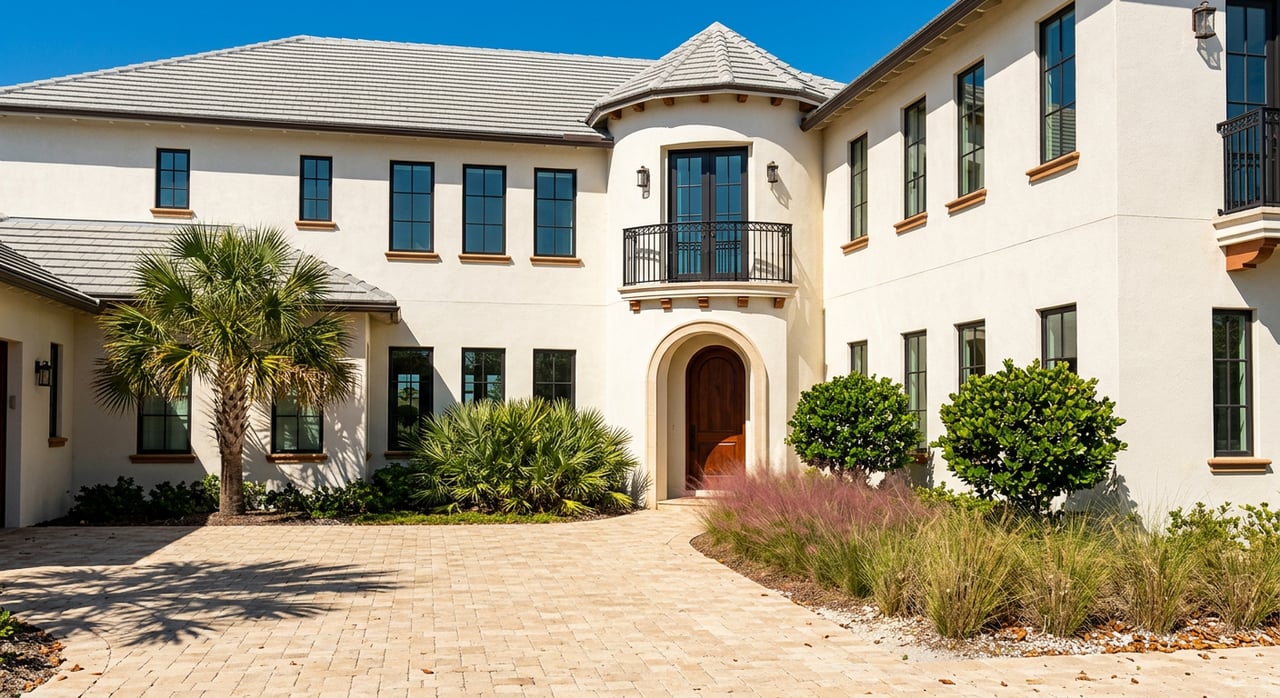
Luxury on St. George Island leans coastal and timeless. Most homes are elevated on pilings to meet coastal construction needs. High-end properties commonly feature wide covered porches, expansive decks, elevator service, chef-caliber kitchens, and private, heated pools. Many older cottages have been renovated with updated systems and finishes, while new builds trend large and modern with indoor-outdoor living.
Local zoning and neighborhood covenants help maintain the island’s calmer feel. Expect single-family residential zoning for most areas, limited commercial nodes, and architectural guidelines in certain gated communities. If you plan a remodel or new build, review the Franklin County zoning code and coastal construction rules early.
The daily rhythm
Life here centers on the beach, the bay, and the sky. Mornings are for coffee on a porch, afternoons for boating or beach time, and evenings for sunsets that seem to pause the whole island. There is a small commercial core, but not a broad retail corridor or nightlife scene. If you prefer quiet beaches over resort bustle, you will feel at home.
Neighborhoods to know
The Plantation
The Plantation is the island’s best-known gated enclave. It offers community amenities like pools, tennis and pickleball, trails, and security, along with larger lots and a concentration of premium gulf-front and near-gulf homes. Many owners prioritize privacy, steady architectural standards, and the convenience of managed amenities. Community notes also highlight private airstrip access, which can be a unique advantage for pilots.
East End, Sunset Beach, and 300 Ocean Mile
The East End hosts several sought-after pockets with first- and second-tier gulf homes, bayfront options with docks, and convenient beach access. Proximity to the state park adds a natural buffer and quick access to protected shoreline. Buyers who want a short walk to the sand and a calm residential feel often focus their search here.
Bayfront and Bob Sikes Cut
For avid anglers and boaters, bayfront homes with private docks are a highlight. Properties near Bob Sikes Cut offer direct access to Apalachicola Bay and the Gulf, prized for fishing and quick marine runs. Get a sense of why the area is popular with a quick overview of boating and fishing near Bob Sikes Cut.
Price tiers and market feel
St. George Island is a small market, so medians move with each month’s sales mix. In Spring 2025, source snapshots showed median list prices in the roughly 1.2 to 1.3 million range, while average sales trended lower around the mid-900s. Other periods show different medians. The takeaway is simple. On a small island, a few lot sales or a cluster of new gulf-front closings can swing the data. Always verify current figures with recent MLS comps.
Here is how luxury often maps to price on the island:
- Entry coastal tier, about $500,000 to $1.2 million. Renovated cottages, first- or second-tier gulf and bay homes, and upgraded older houses that are often turnkey for short-term rentals.
- Mid luxury, about $1.2 million to $2.5 million. First-tier gulf or deep-bay homes, many with private docks or slips, larger lots, pools, and elevators. Significant renovations are common in this range.
- Estate tier, about $2.5 million and above. Newly built gulf-front estates, very large parcels, high-end custom construction, or rare bayfront assemblages.
If rental income is part of your plan, note that many upper-tier homes are marketed with vacation histories. Seasonality matters and revenue varies with marketing, management, and property features. Ask for verified rental statements, occupancy data, and expense schedules before you rely on income.
Who thrives on the island
- Privacy and nature seekers who value long beaches and protected dunes over nightlife.
- Boaters and anglers who want private docks, quick runs through the Cut, and easy access to Apalachicola Bay.
- Second-home buyers and investors who appreciate a niche, low-density vacation market and understand that rental income is seasonal.
- Pilots or buyers who want quick access via The Plantation’s private airstrip referenced in community materials.
If you want a high-rise resort environment or a broad shopping district, this market may feel too quiet. The island’s character is its calling card.
Due diligence checklist
Buying on a Gulf barrier island is different. Use this checklist to protect your plans:
- Flood risk and elevation. Confirm FEMA flood zone codes for the parcel, and verify the lowest habitable-floor elevation. An elevation certificate is essential if you plan to remodel or rebuild.
- Insurance quotes early. Wind and flood insurance can be a significant share of ownership cost. Ask for written quotes tied to the exact property before you offer.
- Wastewater and sewer status. Parts of the island have historically had limited centralized sewer. Confirm whether a parcel uses septic or has sewer access, and check for any approved projects with county staff. This overview of St. George Island’s background provides general context, but rely on current county records for decisions.
- HOA and POA rules. Gated communities often have architectural review, annual dues, and sometimes a new-buyer contribution. Confirm short-term rental policies if income matters.
- Zoning, setbacks, and coastal construction line. Before you plan additions or a new build, review Franklin County’s zoning ordinance and speak with the planning office about setbacks, first-habitable-floor requirements, and impervious-surface limits.
- Taxes and parcel history. Pull records from the county property appraiser and confirm any open permits with the building department. The Franklin County Property Appraiser’s contact page is a good starting point.
- Market comps and liquidity. Use multiple recent MLS sales and local insight to set value, especially if you are underwriting rental revenue. Small markets require a broader comp lens and time-aware pricing.
How to approach your search
Start with clarity on your lifestyle goals. If your top priority is privacy and space, tour The Plantation and the East End first. If boating access leads your list, focus on bayfront properties with established docks and straightforward runs to the Cut. If you want a well-run rental, pay close attention to beach proximity, bedroom count, pool presence, and elevator service.
Next, set your budget against realistic tiers. On SGI, moving from second-tier to first-tier gulf can be a major jump. Newer builds and large renovation projects command premiums. Decide where land, view, and finish quality rank in your trade-offs, then evaluate recent like-kind sales.
Finally, assemble your documentation. Collect insurance quotes, order an elevation certificate if needed, request rental histories, and have the HOA’s covenants in hand. Confirm zoning and any coastal construction constraints before you finalize an offer timeline.
Work with a coastal expert
St. George Island rewards buyers who value nuance. Understanding FEMA maps, covenants, the coastal construction line, and seasonal rental patterns will help you make a confident decision. You deserve an advisor who combines luxury marketing perspective with practical, on-the-ground guidance.
If you are ready to explore laid-back luxury on Florida’s Gulf, reach out to a team that specializes in high-touch coastal transactions. From pricing strategy to polished presentation and rental-return insight, 850 Properties brings boutique service and proven negotiation to every step.
FAQs
What does “laid-back luxury” mean on St. George Island?
- It describes elevated coastal homes, low-density neighborhoods, and a calm lifestyle centered on beach and bay, with privacy and protected parkland instead of high-rise resort bustle.
How expensive are homes on St. George Island right now?
- In Spring 2025, snapshots showed median list prices around the low 1 million range with average sales lower, but small-market volume creates swings, so verify current MLS comps before you bid.
Which St. George Island areas feel most private?
- The Plantation is known for gated privacy and amenities, while parts of the East End offer quiet streets near the state park; bayfront pockets can also feel secluded depending on lot size and orientation.
What should I know about flood and insurance on St. George Island?
- Confirm the parcel’s FEMA flood zone and elevation, obtain wind and flood quotes tied to the specific property, and review coastal construction rules to understand build requirements and cost.
Is St. George Island good for vacation rental ownership?
- Many homes operate as short-term rentals, but revenue is seasonal and varies by location, features, and management, so request verified income statements and occupancy data before you underwrite.